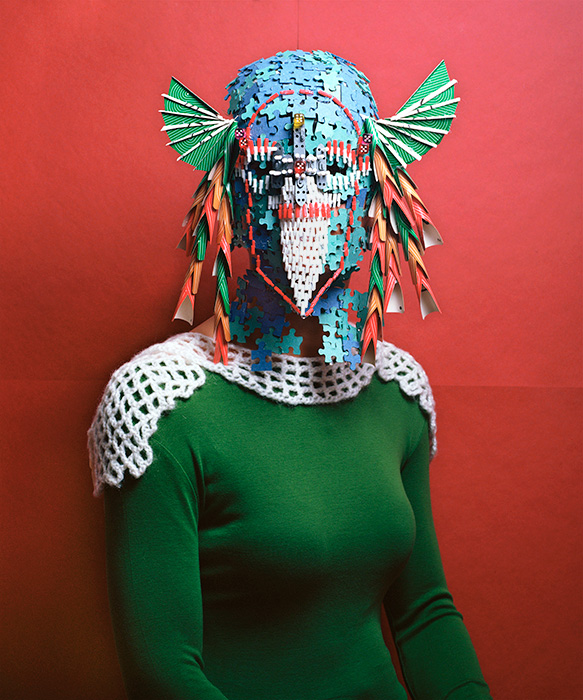
“In this serie, the notion of game is being questioned. I tried to expresse my fascination with the relationship between the players. I asked myself what the participants are looking for and whether they are trying to disturb, seduce or intimidate opponents. These reflections led to a series of pictures of a female model wearing masks inspired by primitive tribal art, yet created from elements of the games being played in the championships.”

Picked up in Pieter’s Twitter stream, such striking images in this series.

(via Marie Rime)

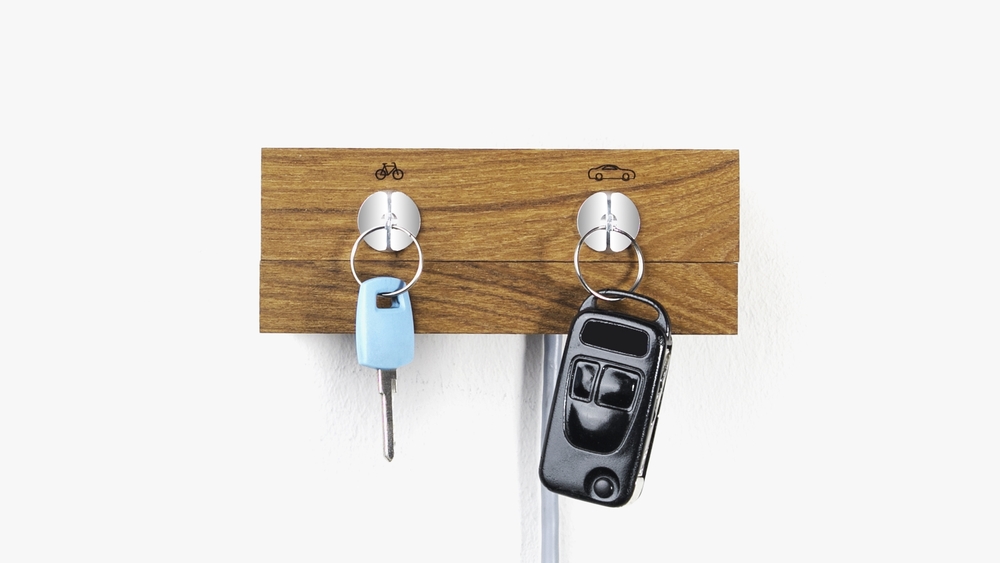
“It is a small key box that presents the bike and the car, side by side. Through this it already hints at a potential choice: bike or car? If one takes the bike key nothing much happens. But in case one takes the car key, Keymoment feels entitled to make a suggestion. It chucks the bike key to the ground. Obviously, one can simply leave it there. But most people will pick it up, and through this will also “pick up” their intention to ride the bike more often. With both keys in their hands, Keymoment creates a carefully designed, quite tangible moment of choice. This is the trouble-making part of the Keymoment.”

I like the idea of adding friction to things as a way of affecting behaviour. It’s a refreshing change from all the talk about seamless, disappearing design.

(via matthias laschke)

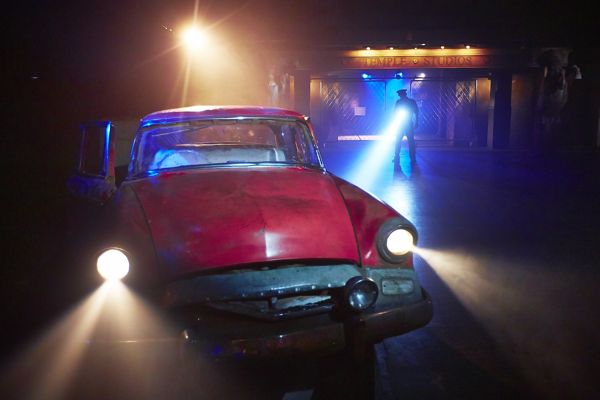
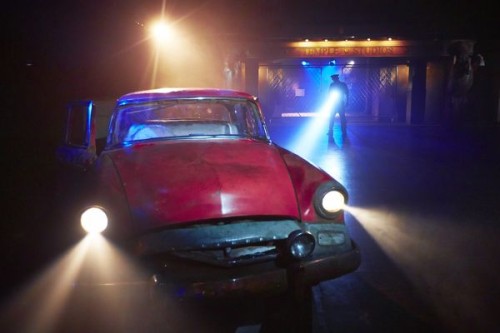
“Barrett and his team are currently looking closely at how they can exploit more explicit game mechanics in future productions. Earlier shows like The Masque of the Red Death and Sleep No More experimented with puzzle solving and treasure hunts, but Barrett feels these game-like elements disturbed the balance of the show too much. “I think we’ve learned that one discipline has to be your lead – so with The Drowned Man, The Masque of the Red Death, it’s theatre. We started putting game mechanics into it, putting a square peg into a round hole, and it didn’t quite fit. So I think if we were to do a project using game mechanics now, it would be a game primarily.””

Punchdrunk wants to make a proper game. I enjoyed “Sleep No More”, but I did have to suppress a lot of gamer/larper reflexes. Agency is incredibly limited. But this also makes it function at scale and for a broad audience. Beyond looking and moving, I’m not sure what other “verbs” a participant could be given before it breaks the experience.

(via At the gates of Temple Studios: Where gaming and theatre collide • Eurogamer.net)
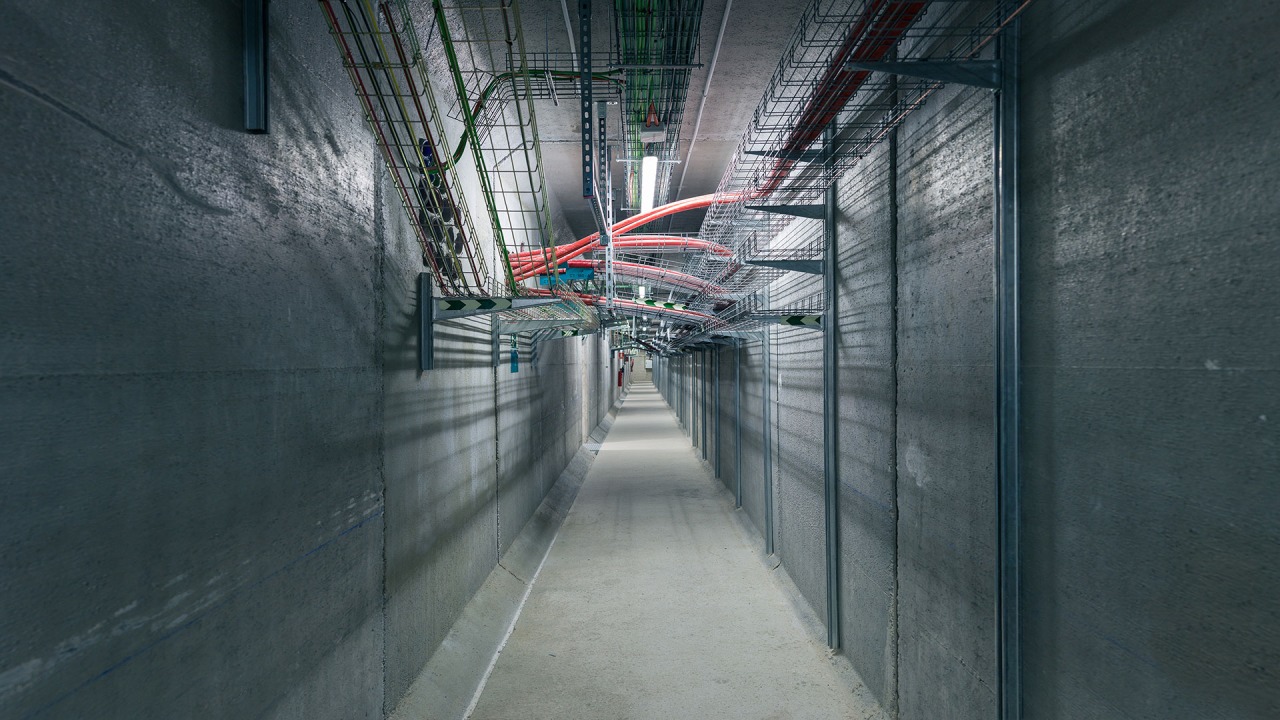
“Similar to the Consumer Product Safety Commission Recall list, or the Center for Disease Control investigations reports, the Infrastructure Report reminds you of just how many horrible ways to suffer death, injury, or inconvenience there are in our contemporary times, and how we’re not approaching the brink of societal collapse, but rolling around in the surf with it on a daily basis.”

Always a good reminder: collapse is not discreet but gradual (although perhaps in some cases prone to phase shifts).

(via elements of collapse | THE STATE)

“For all the utopian hope that may have attended their arrival, I think by now it’s clear that all too many existing coworking and “maker” spaces orbit venture-financed technology startup culture too closely, badly underfulfilling their potential and reproducing conditions I have no interest in perpetuating.”

“Though for myself I tend to believe that all things have recourse to a broader performative repertoire than that set of relations currently enacted, I take Anil’s (and Harman’s, and more distantly Latour’s) point: we have to actually do the work of forging some linkage between things before we can know whether that particular linkage was in fact possible. And that work is an investment, is never accomplished without some cost.”

Very good Greenfield post on various spaces which point towards ways of using spaces for ways of living and working that are socially and economically more just.

(via What I’m working on lately: Practices of the minimum viable utopia (long) | Speedbird)

“Fish on Wheels is an aquarium on wheels that fish can drive wherever they want to go. Finally some freedom for our aquatic pets that have so far been limited to their fish tanks!”

Another one for the growing collection of playful animal/tech projects.

(via Home)

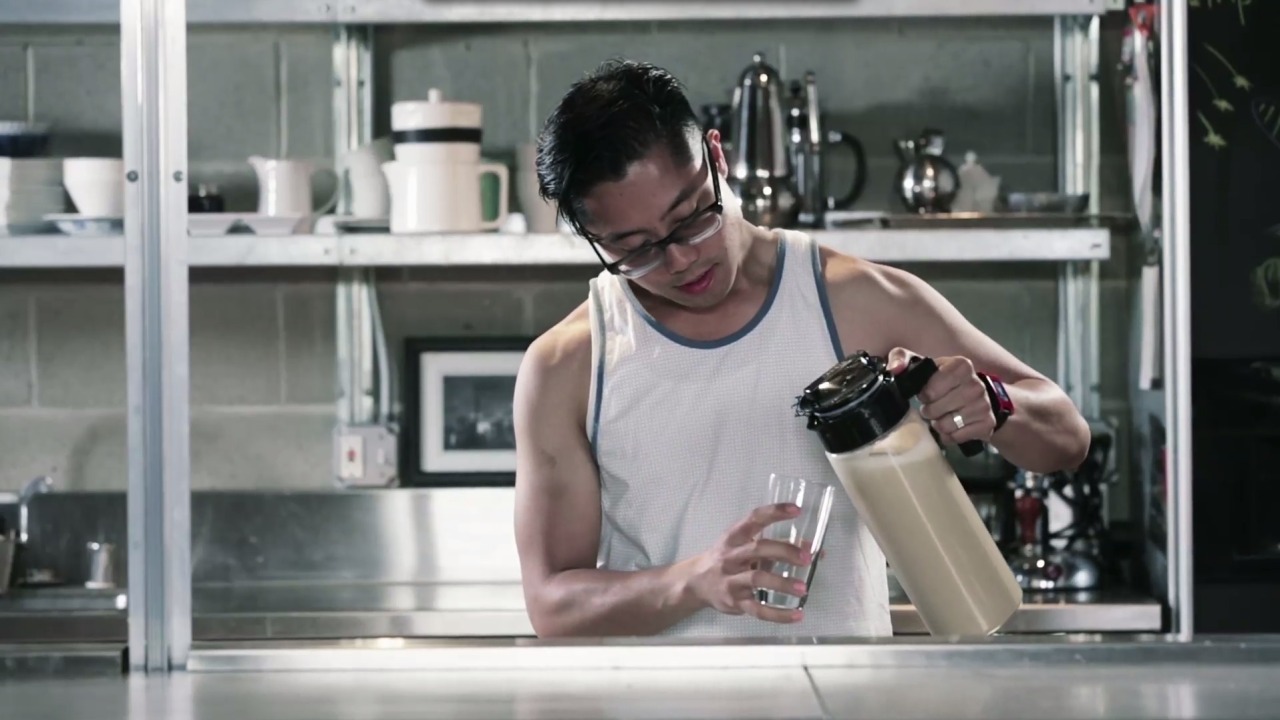
(via Soylent – Free Your Body)

“What if you never had to worry about food again?”

What if, indeed? The earnestness with which these folks pursue the sci-fi idea of a drinkable meal replacement is at once horrifying and hilarious.

Also check out diy.soylent.me if you’d rather roll your own.

This New Yorker piece provides great insight into the psychology of the company’s founder. It’s basically the Californian ideology superimposed on food.

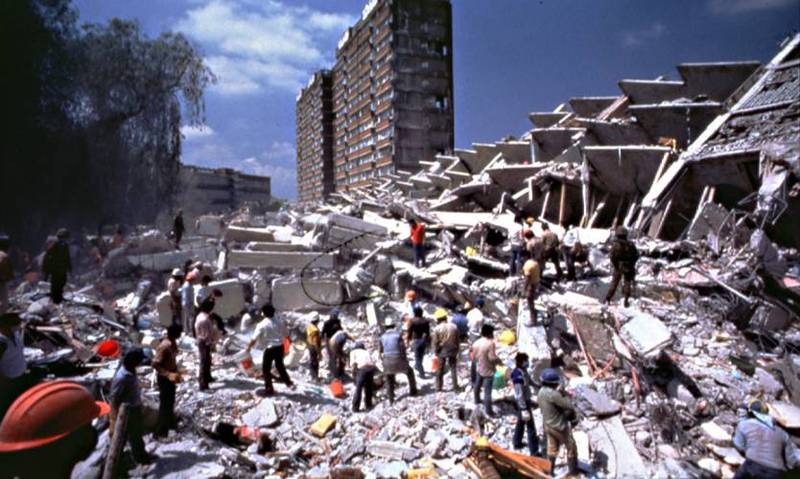
For the Japanese one could say space is unstable. I mean, even the ground is not stable in Japan. You’ll feel an earthquake every other week. Thus time needs to have some stability, the rhythms of life, the year, work, school, the seasons, habits, conventions, rituals and traditions. Time is both fleeting and eternal. Every event, every instance recurs, an its recurrence provides stability. Thus while time flows, the recurrence of elements produce a continuum, a stable ground for existence. French sociologist Augustin Berque has called this “The Mythic Field” a symbolic layer that lies over the Japanese city. The elements that form it are temporal instead of permanent, and it is defined by actions rather than objects. This mythic field consists of local foods, the signs of convenience stores, the vending machines, the fleeting bloom of the cherry-blossom trees, the yearly neighborhood festival, the chimes on the train platforms, Japanese bureaucracy and the emperor. The mythic field contains traditional as well as contemporary elements, and people categorize themselves and their surroundings based on this layer.

Retroactive Tokyo Diary | monnik

I think this “mythic field” might be exactly what I find so comforting about life in Japan (and to an extent also in parts of Southeast Asia, such as the Balinese countryside).