
One for the playing with animals archives.
(via An Oculus Rift For Chickens Gives Animals The Freedom To Roam Without The Roaming | TechCrunch)
One for the playing with animals archives.
(via An Oculus Rift For Chickens Gives Animals The Freedom To Roam Without The Roaming | TechCrunch)

“The really good creative people are always organized, it’s true. The difference is efficiency. If you have an agenda—a schedule—you will be better. In order to have moments of chaos and anarchy and creativity, you have to be very ordered so that when the moment arrives it doesn’t put things out of whack.”
Reminiscent of “play is free movement within a more rigid system” – I always enjoy using professional cooking as source of inspiration for improving design.
(via The Standard – Can the Brains Behind elBulli Take the Chaos Out of Creativity?)
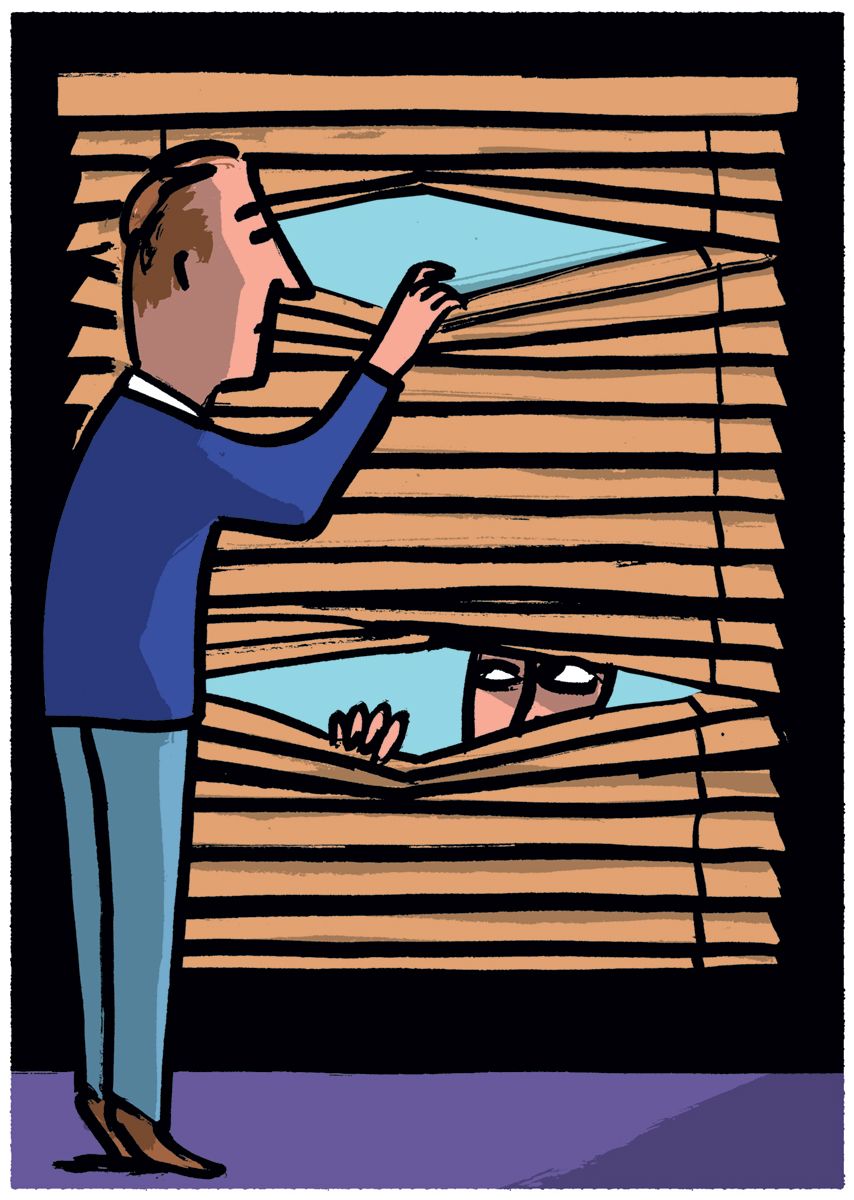
“As a matter of historical analysis, the relationship between secrecy and privacy can be stated in an axiom: the defense of privacy follows, and never precedes, the emergence of new technologies for the exposure of secrets. In other words, the case for privacy always comes too late. The horse is out of the barn. The post office has opened your mail. Your photograph is on Facebook. Google already knows that, notwithstanding your demographic, you hate kale.”
“Something creepy happened when mystery became secular, secrecy became a technology, and privacy became a right. The inviolability of the self replaced the inscrutability of God. No wonder people got buggy about it.”
“In the twentieth century, the golden age of public relations, publicity, meaning the attention of the press, came to be something that many private citizens sought out and even paid for. This has led, in our own time, to the paradox of an American culture obsessed, at once, with being seen and with being hidden, a world in which the only thing more cherished than privacy is publicity. In this world, we chronicle our lives on Facebook while demanding the latest and best form of privacy protection—ciphers of numbers and letters—so that no one can violate the selves we have so entirely contrived to expose.”
Just a marvellous historical account of how the concepts of privacy, secrecy, mystery, publicity and transparency developed under the influence of new technologies.
(via Jill Lepore: Privacy in an Age of Publicity : The New Yorker)
If there is a definitional fight to have, let’s preserve the term ‘sharing,’ reserving it not for anti-economic niceness, but for economic relations that have a social thickness to them. This is why I began with the dematerialization history of systems of shared use. In the end, sharing is about the messy negotiation of access to goods, goods that in the name of sustainability become more scarce. Capitalism is an alienated way of handling those negotiations; sharing forces you to negotiate with aliens.
I appreciate this piece’s zooming in on the notion of friction as a source of meaningful interactions.
So here is the most clichéd nightmare of neoliberalism: precarious post-safety-net existence is embraced (for these systems are not being imposed by governments — rather the reverse: people appear to be supporting the new systems themselves) in ways that turn personal identity and social relations into money-making opportunities.
You like shoes? Go buy shoes. It might even make you happier. But a shoe is just a shoe. There is a kind of intellectual honesty to the purest brand of materialism.
Turns out there is more than one kind of materialism, and not all are equally harmful.
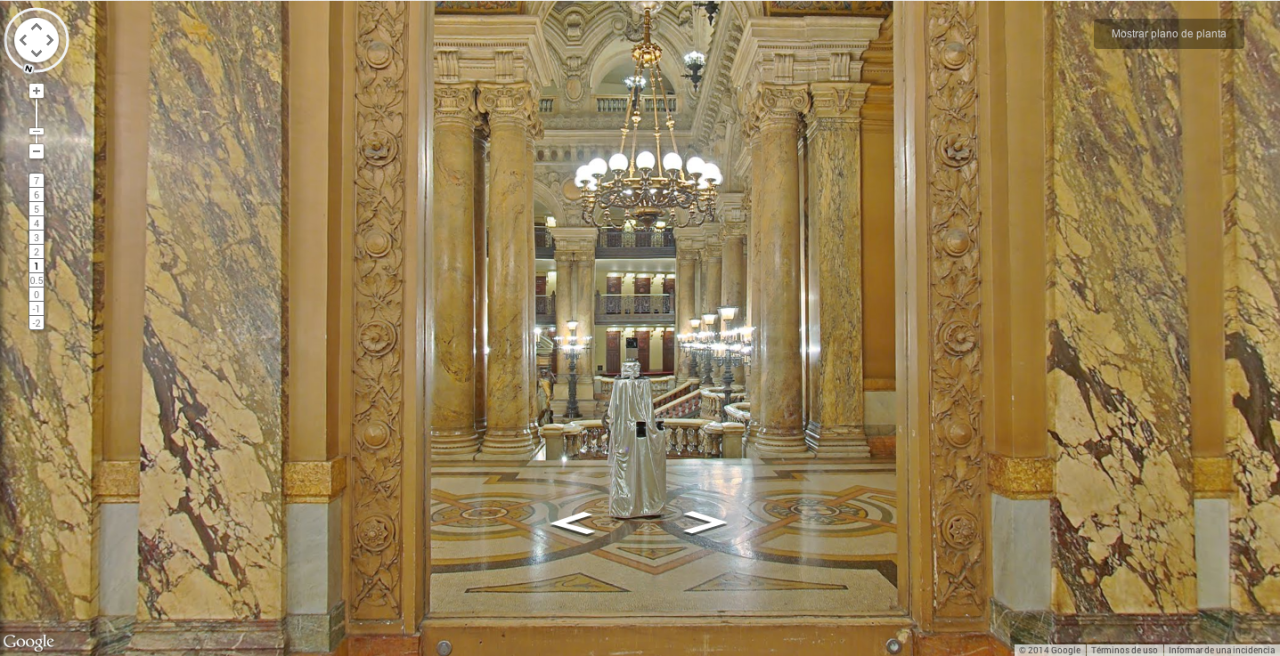
Haven’t seen anything quite as creepy/sad for a long time.

Ledoliel is a companion/dating toy for iOS, involving strange procedural creatures and their bizarre customs, where you must try and figure out what topics they might want to discuss, gift they might want to receive and places they may like to be touched – based on their cryptic attributes.
One app store review reads “Don’t buy / This game is weird”. Which I agree with but for the part “don’t”.
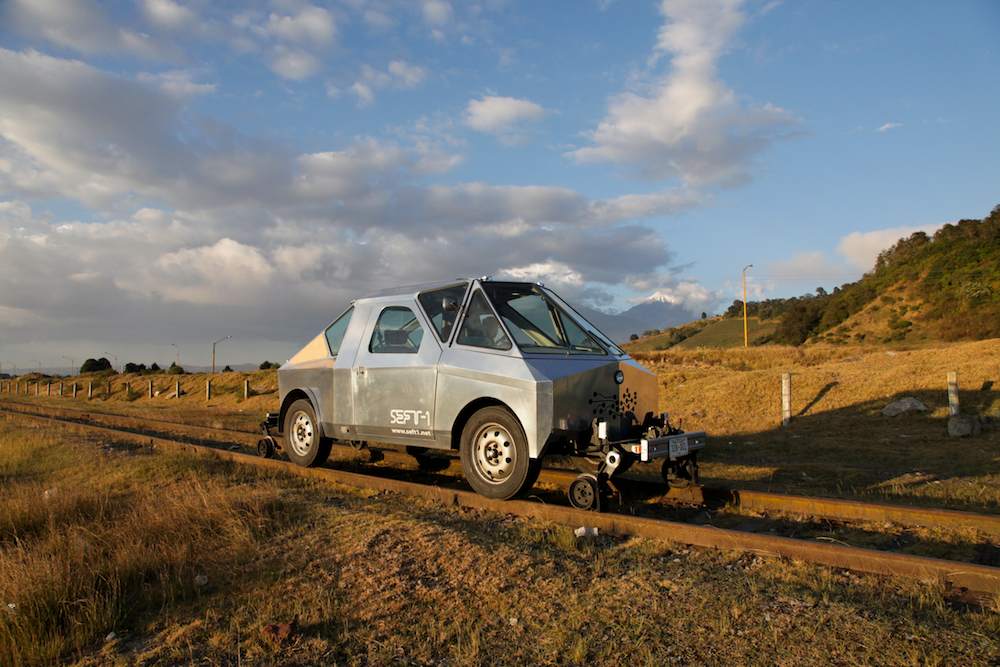
Mexican artists and brothers Ivan Puig and Andrés Padilla Domene decided to traverse the nearly 9,000 km of railway in Mexico and Ecuador that, in 1995, was abandoned and left to decay […] in a striking silver road-rail vehicle called SEFT-1, which they designed and built themselves
A nice example of appropriating infrastructure for critical ends.
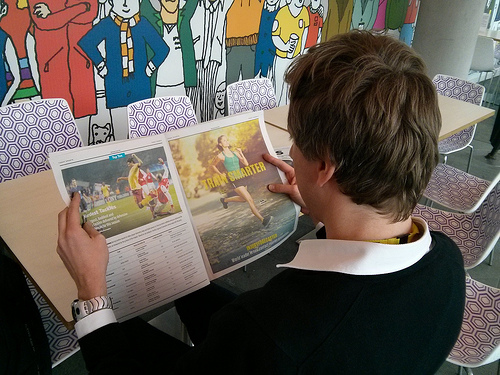
Winning Formula, a project by Near Future Laboratory which takes the form of a newspaper sports section from April 2018, explores the data-driven football future.
I like the low-tech treatment of a high-tech question.