We didn’t do the things that tech companies were supposed to do. We didn’t move fast and break things. We didn’t disrupt and abandon. We didn’t do moon shots. We created a future by sitting the world down with a cup of tea and a bun and asking it some questions.
Author: Kars Alfrink
I’ve spent a lot of time watching dogs playing and it’s been a source of fascination and happiness for years. So the subject matter felt really natural to me. But as a game designer, I find the dynamics of how dogs play together really interesting. Dogs are expert players. Dog play is made of all these ritualized moments of violence and dominance, but when it’s healthy play, it doesn’t cross the line into real violence. Dogs are really good at regulating their play. Playing and playing well is this really deep instinct for dogs, and I thought it would be interesting to try to pull some of that into a game for humans. Healthy dog play isn’t about defeating a bunch of opponents — it’s about having fun above all, while simulating all these really dark and dangerous real-life situations and working out social relationships.
So the pretentious idea at the heart of Dog Park is to make a game that has all kinds awesome “fighting” in it that’s not about defeating your enemies. It’s about how we work together, by pretending to fight each other, by competing with each other, to create enjoyment for each other. In other words, it’s about trying to turn my players into dogs, for a few minutes at a time.
(via » Kevin Cancienne)
There’s a lesson here. The greatest thing I learned from my formalist training in painting was actually not about painting. It was about the nature of knowledge itself: what it means to define a creative practice as a craft, or as a discipline, or as a set of ideas, and how such a practice relates to culture at large. In other words, the important thing to ask is not What is painting? or What is game design? Instead, the real question is: What is gained and what is lost when we define it in a particular way?
(via How I Teach Game Design. (Lesson 3: Games and Rules) | being playful)
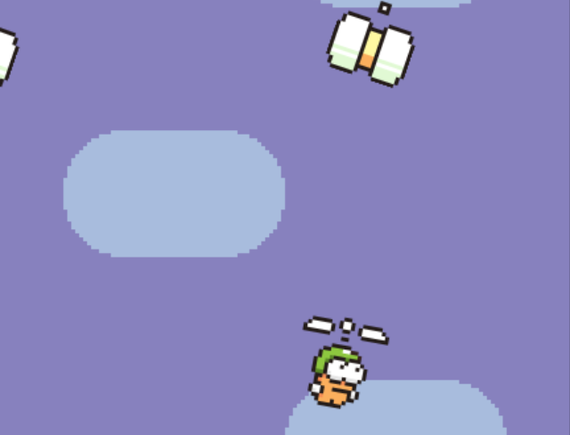
Superstition, myth, and religion offer rationales that fill in the empty spaces between performance and results. Their sorcery acts as a mortar that plugs the gaps between the physical and mental bricks that form the walls of our performances. Without that glue, the edifice would crumble. For peak performance, superstition isn’t a defect but a necessity.
(via Swing Copters: The Randomness of the Universe, Captured in Pixels – The Atlantic)
“Playing a song changes your understanding of it. Playing music changes how you listen to it. Doing changes knowing.”
Great piece on how the internet is facilitating a new literacy of media production. Doing definitely changes knowing. However, I disagree old structures of power and access are no longer in place on the internet. And I also disagree learning to play a song on a guitar is the same as “learning” to post a tweet. There’s a different relationship between the tool, the media and the person going on there.
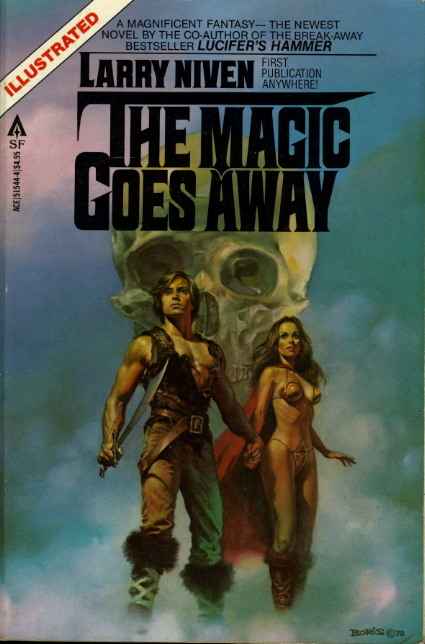
“Mana did not make it into the D&D rulebook because Gary Gygax and the other creators of D&D based their magic system on the novels of Jack Vance, where a limited number of spells could be memorized, cast once, and then forgotten.”
One of many amazing insights into how the concept of mana made its way from Polynesian antiquity into today’s gamer culture.
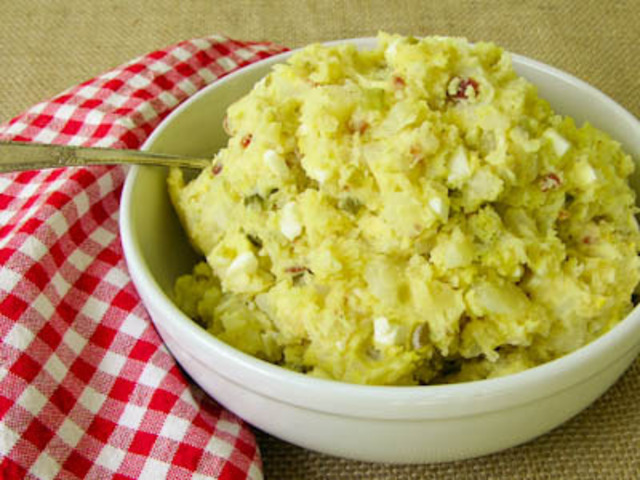
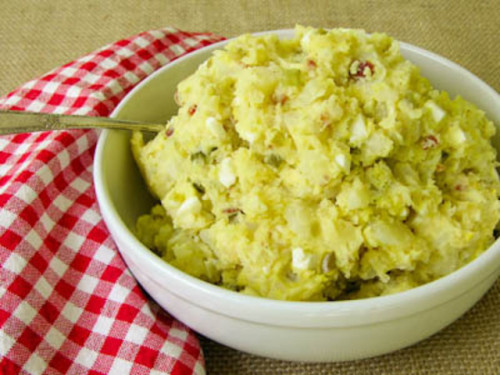
Potato salad satisfies these and all other doomed attempts to systematize humor, which might be the only way to understand it: It is humor-shaped and perfectly optimized. If it was ever whimsical it isn’t anymore—there is too much money, too much potential, tied up with this salad. But this foundation of whimsy has created circumstances in which more capital is equated with more humor, which is too horrible an idea to even joke about: It is a transcendence that is out of our control, a villain, an invader, an awakening of The Old Ones, a Dire Event, or at least a Portent. What’s funnier than $37,115 for potato salad? $47,115 for potato salad, ha ha. What’s funnier than $47,115? $100,000. With every new dollar it feels more urgent to a viewer that he attach his name and his dollars to the thing, which is now obscured entirely by noise—a fee for ensuring that you’re in on the joke.
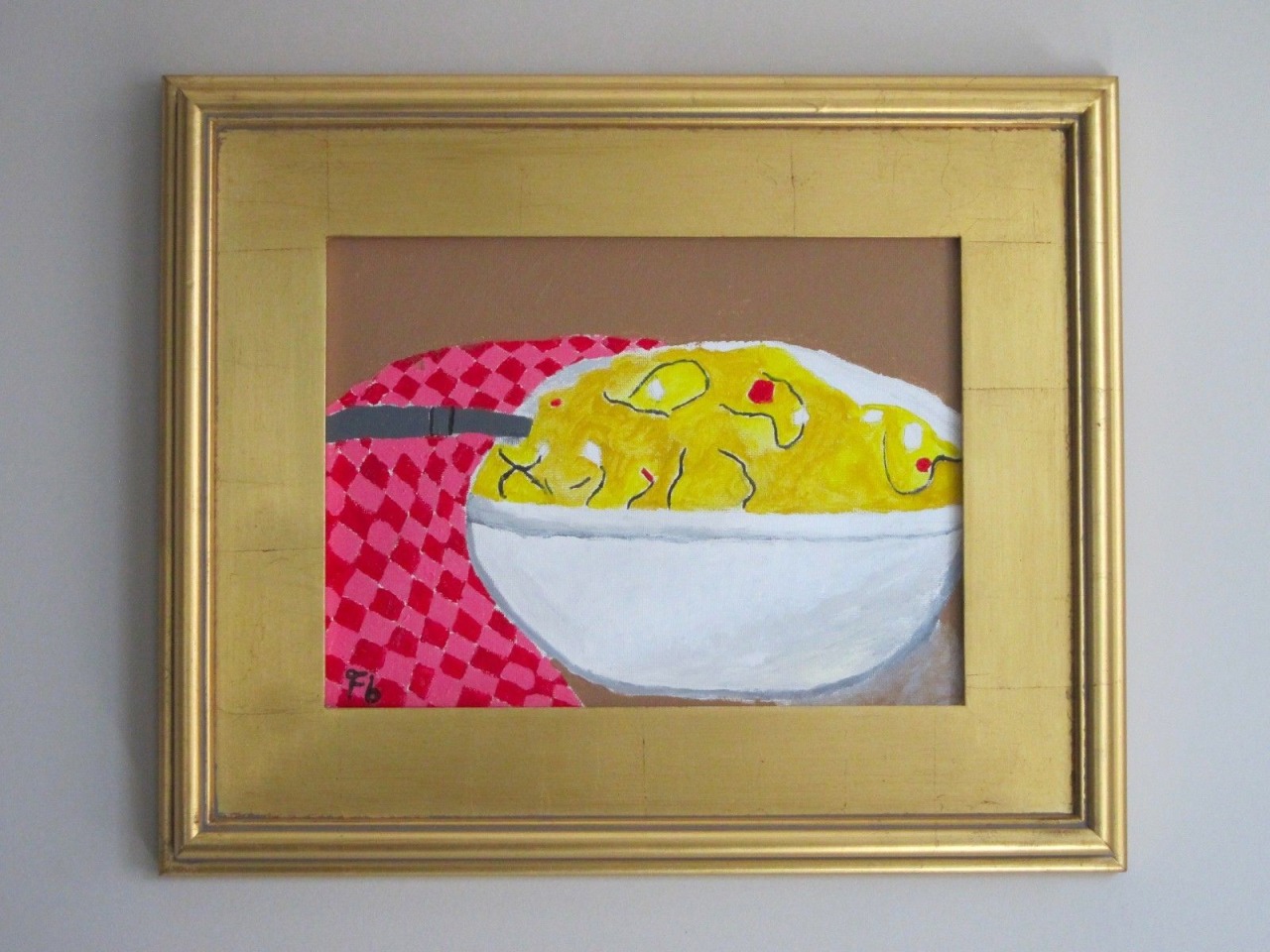
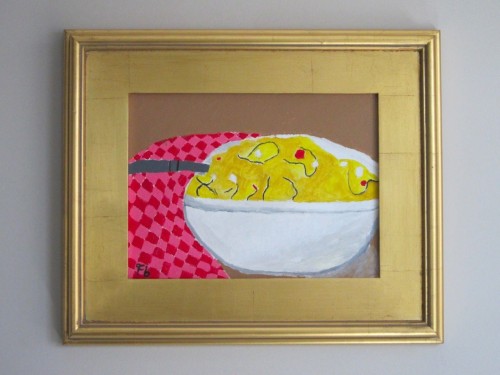
Adding yet another layer of humor/horror is Ian Bogost’s selling his daughter’s painting of the Kickstarter potato salad on eBay.
(via The Potato Salad Kickstarter Is the Science Fiction Villain We Deserve – The Awl)
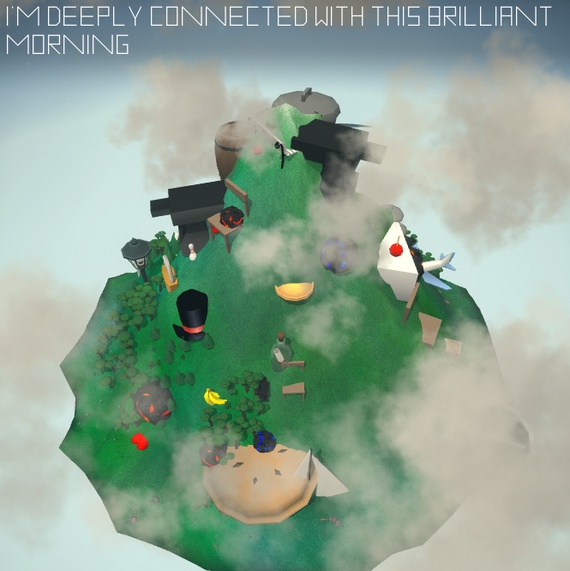
Things start to come together with M. Night Shyamalan, hit-yourself-in-the-forehead obviousness. The “you” in “you are mountain” doesn’t refer to the terraformed 3D game object, at all. Instead, it describes the game itself. You are not mountain; rather, you are Mountain. You play as the abyss between the human and the alpine.
Two things are particularly great about this: (1) Bogost writes about the actual experience of playing the game in stead of the idea of the game (2) he pulls in the larger media ecosystem to further illuminate the significance of the work.
“While walking in residential areas, I am capturing the wireless signals of security cameras that are placed in and outdoors by the residents using a camera and a receiver. With this I explore the boundaries between the public and the private. It reflects on the changing attitude towards surveillance and safety.”
(via ER GAAT NIETS GEBEUREN)
One for the playing with animals archives.
(via An Oculus Rift For Chickens Gives Animals The Freedom To Roam Without The Roaming | TechCrunch)