-
Effortlessly create Gilliam-esque animations. Very accessible animation tool. Via David.
-
Short news article on some of the mechanics in Molyneux’s Fable 2 that try to find new ways of creating tension.
Author: Kars Alfrink
Designer turned design researcher. Postdoc at TU Delft. Exploring contestable AI.
links for 2007-08-07
-
A prototype of a dynamic visualization of an email inbox using a metaphor based on microbes. Looks funky. There’s also a thesis here. Via Floris.
-
Post on a newish site that intends to catalogue the new shapes of games. The author should check out Path of the Warrior, which is a one-button RPG from Gamevil.
-
“Simulation meets political cartoons.”
-
Great presentation that introduces several game mechanics in a straightforward way and looks at how you can apply them to functional sites.
-
Presentation very much along the lines of what I have been bouncing around in my brain: the obvious crosss-over and similarities between social software and games.
-
Aesthetically pleasing Flash games.
-
Quite possibly one of the most ambitious ARGs I’ve seen so far. Seems to be launching a new ‘season’ soon.
links for 2007-08-04
-
Huzzah,, the DS Tingle game is getting a release outside of Japan!
links for 2007-08-02
-
A video showing some of the progress Spore has made over the past year. It keeps looking better. When will we be able to play it?
-
Winner of the latest Casual Gameplay Competition from Jay is Games is a game by fellow Dutchman Wouter Visser and pretty enjoyable to play.
-
An up and coming ‘abstract shooter’ conceived as a music album. Being a big fan of Rez, I can’t wait to play this!
-
Critical look at how web 2.0 turns community into a consumer product.
Learning about emergence from games
I’m still trying to get a grip on why I think games are such a good reference point for IAs and IxDs. I’ll try to take another stab at it in this post. Previously I wrote about how games might be a good way to ‘sell’ algorithmic architectures to your client. Even if you’re not actively pushing your clients to adopt ideas such as on-the-fly creation of site navigation, sooner or later I’m convinced you’ll find yourself confronted with a project where you’re not asked to develop a definitive information architecture. Instead you’ll be charged with the task to come up with mechanisms to generate these procedurally. When this is this case, you’re truly facing a second-order design problem. How can games help here?
One of the defining characteristics of games are their complexity. A few years ago Ben Cerveny gave a brilliant talk on play (MP3) at Reboot 7.0 and mentioned this specifically — that much of the pleasure derived from game-play is the result of the player coming to terms with complex patterns. This complexity is something different from pure randomness and most certainly different from a ‘mere’ state machine. In other words, games show emergence.
There are many examples of emergent systems. The Game of Life springs to mind. This system isn’t really a game but shows a remarkable richness in patterns, despite (or maybe because of) the fact that it is based on a set of deceptively simple rules (which apparently took its creator, John Conway, over 2 years to perfect!) The thing is though, The Game of Life is not interactive.
A wonderful example of a complex emergent system that is interactive is the real game Go. It has a set of very simple rules, but playing it well takes a huge amount of practice. The joy of playing Go for me (an absolute beginner) is largely due to discovering the many different permutations play can go through.
So getting back to my earlier remark: If you’re convinced you’ll need to get a better handle on solving the second-order design problems presented by the design of complex emergent systems, games are an excellent place to start learning. They are emergent first and interactive second, the perfect twin to the web environments we’ll be shaping in the future.
links for 2007-07-31
-
Simon Carless signals the rise of free (casual) games and asks what the impact might be on the ‘mainstream’ games biz.
-
A great manifesto from Kjerulf on how to be(come) happy at work. He certainly seems to be. :-)
-
An old Wired piece on the alternate reality game launched for Spielberg’s A.I. Contains some nice descriptions of game-play.
links for 2007-07-28
-
Interesting perspective on recent troubles with SL financial markets.
-
A review of GameTap’s Mac client. It allows you to play old arcade games. Gonna give this a try soon. Update: Only works on Intel Macs. Booo.
-
Interesting analysis of The World This Week from Business Week. Could we mash this up with some more interactivity to get something really good?
-
Another great game concept by area/code. This time they created it for Discovery and it involves live sharks. ‘Nuff said.
-
Ultima Online’s Lord British encourages MMO developers to be more creative.
-
Great interview with Richard Bartle of MUD fame. The comments thread also contains some interesting remarks on his approach to design of MMOs.
-
Blog of a Swedish game design student who seems to be able to whip up Flash games in an impressive short amount of time.
-
A massively multiplayer word association ‘game’.
-
Interesting atmospheric point and click adventure game made by an indie developer.
UX and the aesthetics of interactivity
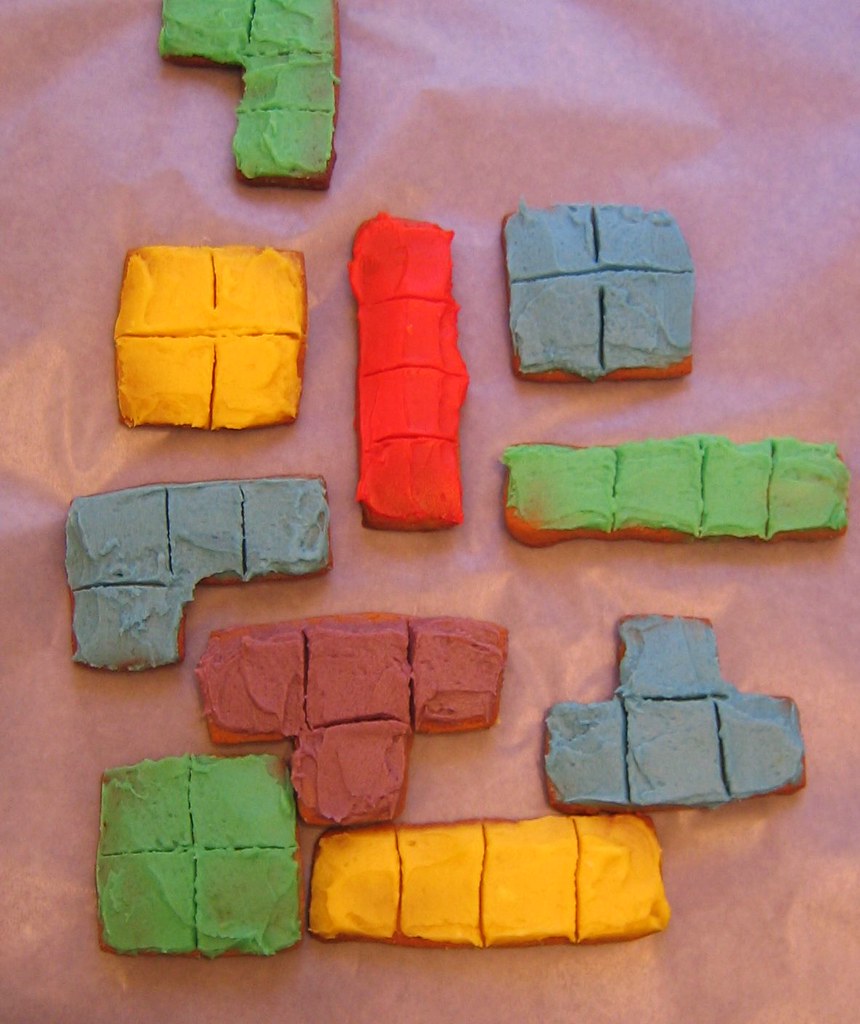
I’ve been trying to regularly post some thoughts on the topic of playful IA here. Previously I blogged about how games could be a useful frame for thinking about complex algorithmic architectures. Last week I posted some thoughts on the application of game mechanics in web apps. There, Rahul was kind enough to point me to the fascinating blog of ‘Danc’ Daniel Cook, titled Lost Garden, where there is one post in particular that resonates with my own pre-occupations lately.
In ‘Short thoughts on games and interaction design‘ (which honestly isn’t that short) Danc Cook looks at some of the ways game design techniques can be applied to the interaction design of web apps. In summary, according to Danc Cook game design techniques allow you to:
- Create an engaging experience that goes beyond simply completing a task efficiently.
- Support free and deep exploration and introduce and teach new interactions that violate conventions.
Some things you shouldn’t borrow from games without giving it a lot of thought are:
- Spatial metaphors
- Visual themes
These are some of the things most people think of first as characteristic of games but really, they are only surface, superficial, not determinant of the actual interactivity of the system.
I think one of the greatest arguments for a deeper understanding of games by interaction designers, information architects and other user experience specialists is that they are the medium that is all about the aesthetics of interactivity. It is true that they have no utilitarian character, they aim to create a pleasurable experience through systems of risks and rewards, restraints and freedoms, nested feedback loops and on and on. As a UX practitioner, it can never hurt to have a deep appreciation of the aesthetics of the medium you work in daily (beyond simply supporting user goals, or selling product, or whatever).
links for 2007-07-27
-
A round-up of some of the most notable games and events at this year’s E3.
-
Weinberger’s view on the YouTube debates (which I did not see). Thoughtful as ever.
-
Weinberger describes an interesting new folksonomic technique they call ‘tagmashes’. Basically a saved search for more than one tag that is accessible through a persistent URL.
-
Did not bookmark this before but might be useful sometime. A talk on mobile IA by Christian Crumlish I attended at this year’s IA Summit.
links for 2007-07-26
-
Commercial for a game released in Japan that comes with a hardware add-on that turns your Nintendo DS Lite into a slide controller. Long live experimental game interfaces.
-
Yes WoW is hugely popular (or so it seems). I wonder how many people are actually pathologically addicted to it though. Is suspect this is still marginal. The DEA can hold its horses in this case.
-
Interesting social casual game concept which basically comes across as a butterfly sim. Expect to see some beautiful graphics (on the Xbox 360 at least) and hopefully some cool social interactions.
-
Richard Ziade has started blogging recorded whiteboard sketches that include audio. He calls it sketchcasting. I call it an interesting idea. I wonder what tools he uses to pull this off.
-
Almar with some interesting thoughts on attacking the myth of the fold in webdesign.
-
SlideShare promises to make it easy to mash up your slideshow with an audio track Might give this a try with the next presentation I do. Not one but two new *casting techniques launched in one day. Oh my!