Just finished reading Alain de Botton’s The Architecture of Happiness. It is chockfull of worthwhile bits but towards the end are a few that I’ll just highlight. These offer a nice way of thinking about culture and how it can be actively changed.
Contrary to the Romantic belief that we each settle naturally on a fitting idea of beauty, it seems that our visual and emotional faculties in fact need constant external guidance to help them decide what they should take note of and appreciate. ‘Culture’ is the word we have assigned to the force that assists us in identifying which of our many sensations we should focus on and apportion value to.
(Emphasis mine.) And further on, some notes on how cultural works can legitimize tastes otherwise kept private:
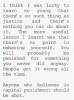
For all that we mock those fake aesthetic enthusiasms in hopes of gaining respect, the opposite tendency is the more poignant, whereby we repress our true passions in order not to seem peculiar. […] It is books, poems and paintings which often give us the confidence to take seriously feelings in ourselves that we might otherwise never have thought to acknowledge.
I like the encouragement to be public about the things you like but feel self conscious about. Those are probably the most interesting things. That might actually a good guideline for what to post here.
And to Botton’s list I’d add games and other contemporary aesthetic forms of course.
I really enjoyed reading this while at the same time seeing the whole New Aesthetic thing really take off. De Botton points out not much is needed to kick off a new movement:
A few buildings and a book have usually been sufficient to provide viable models for others to follow.
Or, you know, a tumblr and a few hacks. You don’t need a lot of cash to make a cultural movement happen. But you do need to be persistent.
In all of these tectonic shifts, the tenacity of the prime movers was every bit as important as the resources at their disposal.
So, persist.